Discover the Best Betta Fish Online Shop and Tips for Buying Safely

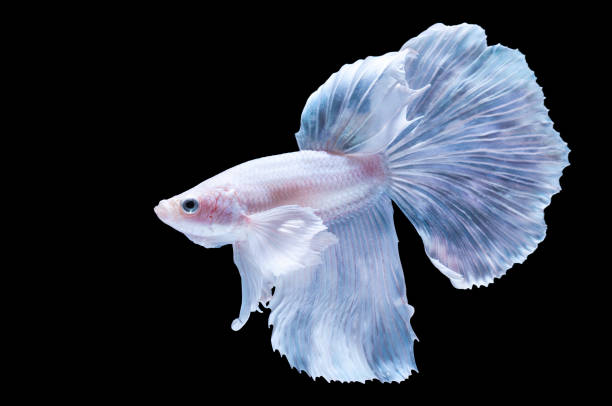
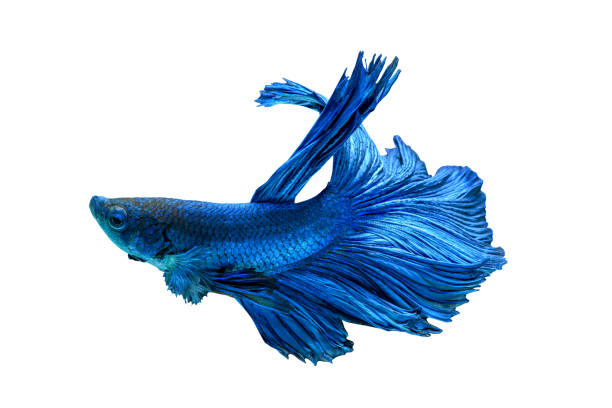
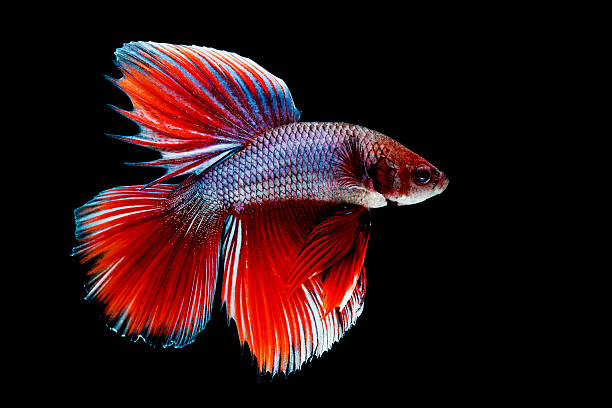
Blue Siamese Fighting Fish, Rosetail Halfmoon Aquarium Pet, Blue Red Betta Splendens Blue Siamese Fighting Fish, Rosetail Halfmoon Aquarium Pet, Blue Red Betta Splendens in Fish Tank Closeup siamese fighting fish stock pictures, royalty-free photos & images

Betta fish, also called Siamese fighting fish, have become increasingly popular among pet enthusiasts. Their vibrant colors, unique fin shapes, and relatively low maintenance requirements make them an appealing choice for both beginner and experienced aquarists. The growing interest in micro-hobbies and the accessibility of online pet markets have further fueled this trend. However, buying betta fish safely requires careful consideration to ensure both ethical practices and the well-being of the fish.

Reasons Behind the Popularity of Betta Fish

  1. Betta fish are available in a stunning variety of colors ranging from iridescent blues to fiery reds.
  2. Their flowing tails come in diverse forms such as veiltail, crowntail, and halfmoon, making them visually captivating creatures.
  3. Unlike larger aquarium species, bettas thrive in smaller tanks (minimum 5 gallons), which makes them ideal for those with limited space.
  4. Bettas are hardy fish that can adapt well to a range of water conditions when properly cared for.
  5. They do not require elaborate setups, although clean water and a heater are essential for their health.
  6. Bettas are relatively affordable compared to some exotic aquarium species. This accessibility makes them an attractive option for beginners.
  7. Betta keeping aligns with trends toward small-scale hobbies that don’t require excessive time or resources but still provide joy and relaxation.

Buying Your Betta Fish Safely

  1. Opt for breeders or stores that prioritize humane practices.
  2. Check reviews or get recommendations from trusted online communities dedicated to aquarium enthusiasts.
  3. Large chain stores often house bettas in poor conditions such as small cups or unclean water.
  4. These environments can stress the fish or lead to illness before purchase.
  5. When purchasing from a physical store or breeder, observe how the bettas are kept: | Quality Indicator | What To Look For | |——————-|——————| | Water Quality | Clear water without debris; regular filtration | | Tank Size | Bettas kept in appropriately sized tanks | | Fish Health | Active movement; no visible signs of disease (e.g., torn fins or white spots) |
  6. Inquire about the origin of the bettas you’re considering.
  7. Request information about their diet or care routines so you can maintain consistency at home.
  8. Consider Online Breeders Carefully If purchasing online:
  9. Verify shipping methods (e.g., insulated packaging).
  10. Choose sellers who offer live arrival guarantees.

By understanding why these beautiful creatures have caught the attention of so many hobbyists—and by taking steps to buy them responsibly—you can enjoy their vibrant presence while contributing positively to their care standards worldwide.

Discover the Best Color Varieties and Tail Types When You Buy Betta Fish for Sale

Betta fish, also known as Siamese fighting fish, are adored for their vibrant colors and unique tail shapes. These remarkable traits make them incredibly popular among aquarists of all experience levels. Understanding the diverse color patterns and tail types can help you select a betta that aligns with your aesthetic preferences or breeding goals.

Common Color Varieties of Betta Fish

  • Solid Colors:
    Bettas with solid colors have a single hue across their entire body and fins. Common solid shades include:
  • Red
  • Blue (Royal Blue, Steel Blue)
  • Black (Melano)
  • White
  • Bi-Color:
    These bettas feature two distinct colors, typically one on the body and another on the fins.
  • Marbled:
    Marbled bettas display unpredictable patterns that often intertwine several colors. A marbled pattern may change over time due to a genetic trait called “jumping genes.”
  • Koi:
    Resembling the patterns of koi fish, these bettas have bold patches in red, orange, white, or black.
  • Metallics and Iridescents:
    These fish showcase a shiny or reflective sheen. Popular metallic shades include copper and platinum.

Unique Tail Types of Betta Fish

Tail Type Description
Veil Tail The most common type; features long, flowing tails that trail like a veil.
Halfmoon Known for its semicircular tail spread extending to 180 degrees.
Crown Tail Has spiked rays resembling a crown or comb-like structure.
Plakat Short-finned variety resembling wild bettas; preferred for their durability.
Double Tail Displays two distinct lobes in its tail fin instead of one unified shape.
Delta Tail A triangular-shaped tail with wide edges but not as broad as Halfmoons’.

Rare Color Combinations and Genetic Variations

Some breeders focus on rare color combinations such as “Dragon Scale” coloration (a thick metallic-like scale overlay) or Butterfly patterns (fins edged with contrasting bands). These rarities often command higher prices among collectors due to their exclusivity.

Factors Influencing Color Vibrancy

  1. Diet: High-quality foods rich in carotenoids can enhance reds and oranges.
  2. Lighting: Proper aquarium lighting brings out iridescent hues.
  3. Health: Illness or stress can dull your betta’s natural vibrancy.
  4. Environment: Clean water conditions promote a healthier appearance overall.

Whether you’re drawn to radiant Halfmoon tails or intrigued by marbled koi patterns, understanding these varieties helps you appreciate the diversity within this species while ensuring you choose a pet that matches your personal style preferences perfectly.

The Growth of Micro-Hobbies: Why Betta Fish Are Popular Among Pet Enthusiasts

In recent years, micro-hobbies—activities that require minimal space, time, and resources—have gained significant traction among people looking for low-maintenance yet rewarding pastimes. One standout trend within this movement is the growing popularity of keeping betta fish as pets. Here’s a closer look at why betta fish are capturing the attention of hobbyists and how they fit seamlessly into modern lifestyles.

Low Maintenance Lifestyle

  • Tank Size: Betta fish thrive in smaller tanks ranging from 3 to 5 gallons, making them suitable for small living spaces.
  • Feeding Schedule: They only need feeding once or twice a day, typically with high-quality pellets or frozen foods.
  • Minimal Equipment: A basic setup involves a tank, water conditioner, heater (for maintaining warm temperatures), and perhaps a filter depending on personal preference.

For people seeking companionship with less commitment than a dog or cat requires, bettas are an excellent choice.

Stunning Appearance and Diversity

  • Spectacular hues ranging from deep blues and vivid reds to iridescent greens.
  • Wide variety of tail types such as veiltail, crowntail, halfmoon, and double tail.

This diversity allows enthusiasts to collect multiple bettas while appreciating the individuality of each one.

Tail Type Key Features
Veiltail Long flowing fins; most common type
Crowntail Fins with spiked edges resembling crowns
Halfmoon Fins spread in a semicircle when flared
Double Tail Two distinct lobes in the caudal fin

Affordable Entry Point

  • Starter kits including tanks and accessories often cost less than $50.
  • Basic food supplies last several months when stored properly.
  • Bettas themselves typically range between $5-$25 for standard varieties.

The affordability factor makes them accessible for students, first-time pet owners, or anyone hesitant about long-term financial commitments.

Connection Through Community

  • Showcase their setups and share inspiration.
  • Seek advice on care techniques or troubleshooting health issues.
  • Learn about advanced topics such as breeding or aquascaping tanks.

These online interactions foster connection while enriching the experience of owning bettas through shared knowledge.

Perfect Fit for Modern Living

In today’s fast-paced world where space is often limited but stress levels run high, activities like keeping bettas offer therapeutic benefits without overwhelming responsibilities. Whether appreciated for their beauty, ease of care, affordability, or community ties they inspire—betta fish exemplify why micro-hobbies have become more than just passing trends but meaningful ways to enhance everyday life.

Blue betta fish Aquarian swims in aquarium water betta fish Aquarian fish swims in aquarium water siamese fighting fish stock pictures, royalty-free photos & images

How Online Communities and Social Media Influence the Love for Betta Fish

The rise of online communities and social media platforms has significantly impacted how people discover, learn about, and build connections around betta fish. This digital evolution has made it easier than ever for enthusiasts to share their passion, exchange knowledge, and cultivate a global appreciation for these vibrant aquatic pets.

The Role of Online Communities in Popularizing Betta Fish

  • Forums: Websites like BettaFish.com serve as detailed knowledge repositories where users can post questions, share advice, or showcase their fish.
  • Facebook Groups: Private or public groups dedicated to bettas often allow members to exchange photos, troubleshoot common issues, or even trade fish.
  • Reddit: Subreddits such as r/bettafish offer a mix of educational content and casual user stories that provide both entertainment and insight.

These platforms provide accessible pathways to information that might otherwise be challenging for new pet owners to find.

Social Media as a Visual Showcase for Bettas

  • Unique Color Variations: Users share images of rare or exotic strains like koi plakats or halfmoon rosetails.
  • Aquascaping Creativity: Many hobbyists upload breathtaking setups featuring meticulously designed tanks complemented by live plants.
  • Educational Content: Short videos on TikTok often focus on topics such as feeding habits or signs of illness in bettas.

Through these channels, users not only indulge in creativity but also inspire others to join the hobby.

Influencers and Content Creators Elevating the Hobby

In recent years, influencers specializing in aquatic pets have played a key role in shaping trends within the community. Some well-known creators focus on producing high-quality content that covers everything from beginner tips to advanced care techniques. These influencers often partner with brands to recommend reliable products such as food types or water conditioners tailored specifically for bettas.

Popular video themes include: – Tank setup tutorials – Product reviews – Step-by-step breeding guides – Health issue diagnostics

As they reach larger audiences over time, these creators help demystify the care process while promoting responsible ownership practices.

Benefits of Digital Influence on Betta Enthusiasts

The intersection of online communities and social media has provided numerous benefits: | Advantages | Description | |———————————|—————————————————————————–| | Accessibility | Free access to detailed care guides across multiple languages | | Community Support | Platforms foster an inclusive atmosphere encouraging mutual assistance | | Exposure to Innovations | New technologies (e.g., self-cleaning tanks) gain traction via shared posts| | Sustainability Awareness | Discussions highlight ethical breeding methods |

By creating opportunities for education and connection on a global scale, these digital tools contribute directly to healthier outcomes for both bettas and their owners.

A Word on Responsible Sharing

While the internet provides an abundance of resources related to caring for bettas properly, it is crucial to verify information before applying it. Ensuring accuracy helps prevent misinformation from spreading within these communities. Always consult reputable sources when adopting new practices—this is essential not only for ensuring your fish’s well-being but also for contributing positively to the broader online ecosystem surrounding this beloved pet species.

Important Tips for Choosing a Reputable Breeder or Store When Buying Betta Fish

Selecting the right breeder or store is crucial when purchasing a betta fish. A reputable source ensures that the fish you bring home is healthy, well-cared-for, and ethically bred. Below are some essential tips and considerations to help guide your choice.

Research Reputable Breeders and Stores

  • Read Reviews and Testimonials: Search online for reviews on breeders or stores you are considering. Look for consistent positive feedback regarding fish quality, care standards, and customer service.
  • Check Online Communities: Betta fish forums, social media groups, and hobbyist communities can provide valuable insights into where others have had good experiences purchasing bettas.
  • Ask Questions: Reach out to breeders or store owners with questions about their breeding practices, care routines, and the condition of their fish stock. Reputable sellers will gladly offer detailed answers.

Assess Fish Health Standards

When visiting a store or evaluating photos from an online breeder, look for signs of healthy bettas:
Active Behavior: Healthy bettas should swim energetically rather than remaining lethargic at the bottom of their tank.
Bright Colors: Their scales should display vibrant colors without dullness or discoloration.
Clear Eyes and Fins: Watch for clear eyes without cloudiness and inspect fins for tears or signs of fin rot.

Also, avoid purchasing from sellers who keep multiple male bettas in the same tank, as this indicates improper care.

Ethical Breeding Practices

It’s important to choose establishments that prioritize ethical breeding:
1. Avoid Mass-Breeding Operations: Large-scale commercial operations may prioritize quantity over quality, often leading to stressed or unhealthy fish. 2. Support Small Breeders: Many small-scale breeders focus on genetic health and tail type diversity while maintaining high care standards. 3. Inquire About Lineage: Ethical breeders can often provide information about their bettas’ lineage to ensure they come from healthy stock.

Inspect Tank Conditions On-Site

If buying from a physical store:
– Observe how tanks are maintained—there should be clean water with no visible algae buildup or odors. – Confirm that each male betta is housed individually to prevent stress or aggression. – Look at other tank inhabitants (if any) for potential signs of disease such as clamped fins or fungal growths.

Red Flags to Avoid

Steer clear of breeders or stores that exhibit any of these warning signs: – Overcrowding tanks with too many fish. – Dirty water conditions. – Sellers unwilling to answer questions about care practices. – Lack of quarantine procedures before selling new stock.

Red Flag Why It’s Concerning
Overcrowded Tanks Increases stress levels and spreads disease
Unclean Water Indicates poor hygiene standards
No Quarantine Procedures Risk of introducing diseases to your aquarium

By following these tips when choosing a breeder or store, you improve your chances of acquiring a thriving, well-cared-for betta fish while supporting ethical practices within the hobby industry.
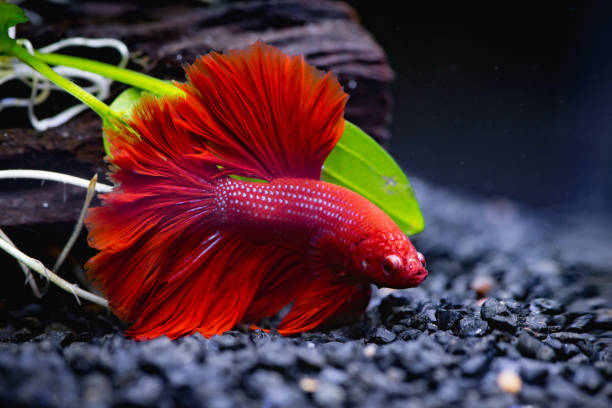
Red Siamese fighting fish in a fish tank Close up of Red Siamese fighting fish in a fish tank siamese fighting fish stock pictures, royalty-free photos & images

Understanding Shipping Methods for Safe Arrival of Your New Betta Fish

Ensuring your new Betta fish arrives healthy and stress-free requires understanding proper shipping methods. Whether you purchase a Betta from an online breeder or a physical store, the process of shipping these delicate creatures should prioritize their safety and well-being. Below, we discuss key aspects of safe Betta fish transportation.

Packaging for Betta Fish Transportation

  • High-quality, leak-proof plastic bags are commonly used to transport live fish.
  • Bags are typically filled one-third with water and two-thirds with oxygen to allow proper breathing during transit.
  • Clean, dechlorinated water with stable pH levels ensures your fish remains stress-free during transportation.
  • Some sellers may use water conditioners or stress-reducing additives to ensure safety.
  • Bags are often double-bagged to prevent leaks.
  • Bubble wrap or insulation may be added around the bag to protect against sudden temperature changes or mechanical impact.
  • Styrofoam containers help maintain temperature stability throughout the journey. These are placed within sturdy cardboard boxes for added protection.

Importance of Temperature Control

  • Use Heat Packs or Cold Packs: Depending on the season, heat packs (for winter) or cold packs (for summer) can be included in the packaging to maintain appropriate temperatures between 75°F and 80°F (24°C–27°C).
  • Avoid Delays: Shipping should be planned to minimize transit time as prolonged exposure to fluctuating temperatures can cause stress or illness.

Recommended Shipping Methods

  1. Reduces travel time, ensuring your Betta reaches you quickly.
  2. Minimizes stress caused by prolonged periods in transit.
  3. Opt for services that provide real-time tracking so you can monitor the shipment’s progress.
  4. Packages should clearly indicate that they contain live animals, ensuring careful handling by delivery personnel.

What You Can Do Upon Arrival

  1. Inspect the package immediately upon receipt.
  2. Check for any signs of water leakage or damage.
  3. Acclimate the fish gradually before transferring it into its permanent tank (referencing acclimation steps from another section may be helpful here).
Aspect Best Practices
Water Quality Use treated water with stable pH levels
Temperature Control Use heat/cold packs; maintain between 75°F–80°F
Transit Time Opt for expedited/overnight shipping

Understanding these shipping methods ensures both peace of mind and optimal care for your new aquatic companion during its journey home, setting a strong foundation for its long-term health and happiness in your care.

Essential Tips to Buy Betta Fish Online and Recognize a Healthy One

When purchasing a betta fish, assessing its health is critical to ensuring you bring home a thriving pet. Betta fish are vibrant and energetic creatures when healthy, but poor living conditions or neglect can lead to illness. By understanding the key signs of a healthy betta fish, you can make an informed choice and avoid potential issues down the road. Below is a detailed checklist to guide you.

External Physical Signs of Health

  • Vibrant Colors: Brightly colored scales without dullness or discoloration indicate good health. Faded colors could signal stress or illness.
  • Clear Eyes: The betta’s eyes should be clear and slightly protruding but not swollen or cloudy.
  • Smooth Scales: Look for scales that lie flat against the body without visible damage, swelling, or raised patches.
  • Healthy Fins: The fins should appear full and undamaged with no signs of tears, fraying, or discoloration. Clamped fins (where the fish holds them tightly against its body) may indicate stress or illness.
  • No Visible Parasites: Inspect closely for any small white spots (indicative of ich), worms, or other parasites on the body or fins.

Behavioral Indicators of a Healthy Betta

  • Active Swimming: Healthy bettas are curious and active swimmers, exploring their surroundings rather than remaining lethargic at the bottom of their tank.
  • Responsive to Stimuli: Bettas often react to movement outside their tanks by flaring their fins or swimming toward it. A lack of response could indicate health problems.
  • Proper Breathing: While bettas breathe from both gills and their labyrinth organ (allowing them to take oxygen from air), labored breathing near the water’s surface may suggest poor water quality in their current environment.

Common Red Flags to Watch For

Symptom Potential Issue
White spots on body Ich (parasitic infection)
Swollen belly Dropsy or constipation
Torn or discolored fins Fin rot
Cloudy eyes Bacterial infection

Tank Environment as an Indicator

Assessing the health of a betta also involves observing its current environment at the breeder’s facility or store. Look for clean tanks with proper filtration and regular maintenance. Multiple dead fish in nearby tanks may indicate poor care standards.

Questions to Ask Before Buying

Speaking directly with breeders or sellers can help confirm your observations. Consider asking: – Is this betta eating well? What diet is it currently on? – How long has this particular fish been in your care? – Has it displayed any unusual behavior?

By thoroughly examining both physical traits and behavior while asking essential questions, you can ensure that your chosen betta is in excellent health before bringing it into your home.

Essential Steps for Acclimating Betta Fish for Sale to Their New Home

Acclimating your new betta fish to its home is a crucial step to ensure its health and well-being. A sudden change in water conditions can cause stress, shock, or even illness. Proper acclimation allows your betta to adjust gradually to its new environment, reducing the risk of complications. Below is a step-by-step guide that highlights essential steps for acclimating your new betta carefully.

Step 1: Prepare the Tank Environment

Before introducing your betta, it’s important to create an ideal setup:
Tank Size: A minimum of 5 gallons is recommended for long-term health and activity.
Water Temperature: Maintain water between 76°F and 81°F (24°C–27°C) using an aquarium heater. Sudden temperature changes can be harmful.
Filtration: Use a gentle filter that won’t create strong currents, as bettas prefer calm waters.
Conditioned Water: Treat tap water with a water conditioner to remove chlorine, chloramines, and heavy metals harmful to fish.

A fully cycled tank is advised before introducing any fish. Cycling ensures the growth of beneficial bacteria that break down toxic ammonia and nitrites.

Step 2: Float the Bag or Container in the Tank

  1. Place the sealed bag (or container) into the tank so it floats on the surface of the water.
  2. Leave it undisturbed for 15–20 minutes. This helps equalize temperature differences between the transport water and tank water.

This gradual temperature adjustment reduces thermal shock, which can be fatal for sensitive species like bettas.

Step 3: Gradual Water Mixing

  • Every 5–10 minutes, add approximately 1/4 cup (60 mL) of tank water into the transport container.
  • Repeat this process slowly over a period of 30–45 minutes until about double the original volume has been reached.

This method allows your betta to adjust gradually without being overwhelmed by sudden changes in pH or other parameters.

Step 4: Gently Release Your Betta Fish

Once acclimated to both temperature and chemical differences, it’s time to transfer your fish carefully into its new home:
– Use a soft mesh net or cup to gently lift your betta out of its transport container without transferring old transport water into your tank. – Lower it gently into its new habitat. – Avoid pouring transport water directly into the tank as it may contain contaminants or pathogens.

Allow some time after release for your fish to explore its surroundings at its own pace.

Step 5: Monitor Behavior Closely Post-Acclimation

Observe your newly introduced betta for signs of stress or discomfort during its first few hours in the tank: – Look out for darting motions, clamped fins, excessive hiding, or refusal to eat. – Ensure that other elements like lights are not too bright initially; keep lighting dimmed if possible on their first day.

Checklist Item Observation Notes
Normal Swimming Pattern Yes/No
Eating Behavior Eats readily/refuses food
Color Vibrant/Dull
Interaction with Environment Active/Inactive

If issues persist after several days despite proper care conditions being met, consult an aquatic veterinarian or experienced aquarist for advice.

By following these essential steps methodically and patiently, you enhance not just survival rates but also help foster trust between yourself as owner/caretaker—and this beautiful pet thriving comfortably within safe surroundings long-term.


How to Buy Betta Fish Online and Choose the Perfect Tank Size

Close up art movement of Betta fish Siamese fighting fish isolated on black background.Fine art design concept. Close up art movement of Betta fish Siamese fighting fish isolated on black background.Fine art design concept. siamese fighting fish stock pictures, royalty-free photos & images

Betta fish, also known as Siamese fighting fish, are among the most popular freshwater aquarium species due to their vibrant colors and striking fins. However, one of the most debated topics among betta enthusiasts is choosing the right tank size. The size of the tank directly impacts their health, well-being, and overall quality of life. Here’s a detailed guide to help you make an informed decision.

Why Tank Size Matters for Betta Fish

The tank size you choose plays a critical role in ensuring your betta thrives. Despite their reputation for surviving in small spaces like tiny bowls or vases, this setup is far from ideal as it limits their activity and can lead to stress or health issues.

Key reasons why tank size matters include: – Space for Exercise: Bettas are active swimmers. A larger tank allows them sufficient room for swimming and exploring. – Water Quality Stability: Smaller tanks are prone to rapid fluctuations in water quality parameters like temperature, ammonia levels, and pH. Larger tanks maintain more stable conditions. – Reduction in Stress: Confinement in small spaces often leads to stress-related illnesses in bettas. – Room for Decor and Enrichment: Proper enrichment such as plants, hiding spots, and decorations require ample space so your betta can engage with its environment.

Recommended Tank Sizes for Betta Fish

Tank Size Suitable For Pros Cons
1-2 Gallons Temporary housing only Compact; easy to set up Poor water stability; cramped
2.5-3 Gallons Minimum suggested size Small but manageable Still limits movement
5 Gallons Ideal for single bettas Provides ample swimming space; easier maintenance None
10+ Gallons Ideal choice (especially planted setups) Roomy; great stability Takes more room home

Top Tips When Looking for Betta Fish for Sale and Setting Up Their Tank

Setting up a proper environment for your betta fish is crucial to ensure their health and longevity. Betta fish, also known as Siamese fighting fish, are stunning creatures but require thoughtful care when it comes to tank setup. Below are key considerations to help you create the best possible habitat for your betta.

Tank Size and Shape

  • Minimum Tank Size: A 5-gallon tank is the minimum recommended size for a single betta fish. This provides enough space for swimming and reduces harmful toxin buildup in the water.
  • Preferred Tank Shape: Long, horizontal tanks are better than tall ones as they give bettas more surface area, which is important because they breathe air from the water’s surface.
  • Avoid Small Containers: Bowls or tanks smaller than 2 gallons can cause stress and negatively impact your fish’s quality of life.
Recommended Tank Sizes Suitable for Bettas?
Less than 2 gallons No
2-4 gallons Not ideal
5 gallons or more Yes

Water Quality and Filtration

Clean water is essential to keeping your betta healthy. Bettas thrive in stable water conditions that mimic their natural habitat.

  • Filtration: Use a gentle filter that doesn’t produce strong currents, as bettas prefer calm waters.
  • Water Temperature: Maintain a constant temperature between 76°F and 82°F using an aquarium heater if needed.
  • pH Levels: Keep pH levels between 6.5 and 7.5, which closely mirrors their native environment in Southeast Asia.
  • Water Changes: Perform regular partial water changes—about 25% weekly—to maintain optimal conditions.

Substrate Options

Choosing the right substrate enhances both aesthetics and functionality.

  • Gravel or sand substrates work well for bettas.
  • Avoid sharp-edged materials that could damage their delicate fins.

Additionally, consider planting live plants in your substrate. Live plants such as Java moss or Anubias not only improve oxygen levels but also provide hiding spots that mimic natural habitats.

Decorations and Hiding Spots

Bettas enjoy exploring their surroundings and need places where they can hide when feeling stressed or threatened.

  • Provide caves, tunnels, or aquarium-safe decorations with smooth edges.
  • Add floating plants like water lettuce to offer shade while maintaining swimming space at the surface.

Make sure decorations do not crowd the tank, as overcrowding limits movement and can stress your fish.

Lighting Setup

Proper lighting enhances your tank’s appearance without stressing your fish.

  • Use soft LED lights designed specifically for aquariums to avoid overheating the water.
  • Maintain a consistent day/night cycle by turning off lights at night to mimic natural daylight patterns.

By carefully considering these factors when setting up your betta fish tank, you can create an environment where they thrive physically and emotionally. A well-planned setup not only ensures better health but also allows you to enjoy the beauty of these strikingly colorful companions.

Discover the Best Betta Fish Online Shop for Unique and Beautiful Fish

Betta fish, also known as Siamese fighting fish, are among the most popular freshwater aquarium species. Their striking colors, flowing fins, and independent personalities make them a favorite among aquatic enthusiasts. To properly care for these fascinating creatures, it’s vital to understand their unique characteristics.

Natural Habitat of Betta Fish

  • Labyrinth Organ: Bettas possess a labyrinth organ that allows them to breathe air directly from the surface. This adaptation enables them to survive in oxygen-poor waters.
  • Tropical Nature: They are accustomed to warm water temperatures ranging from 75°F to 82°F (24°C to 28°C), which should be replicated in captivity.
  • Territorial Behavior: In the wild, bettas are highly territorial. Males especially tend to guard their space aggressively.

Behavioral Characteristics

  1. Aggressiveness: Male bettas are notorious for their aggression toward other males and even certain tankmates. They perceive other males as competition and may fight until one is injured or worse.
  2. Bubble Nesting: Male bettas build bubble nests on the water’s surface as part of their breeding behavior. This is an instinctive trait tied to reproduction.
  3. Interactive Nature: Despite their reputation for being solitary, bettas can recognize and engage with their owners over time by following movement outside the tank or reacting during feeding sessions.

Physical Traits

Feature Description
Color Variations Bettas come in a wide spectrum of colors including red, blue, white, orange, purple, and iridescent shades.
Fins and Tails Their fin types vary dramatically – examples include veil tail, crown tail, halfmoon tail, and double tail varieties.
Sexual Dimorphism Males typically have more elaborate fins compared to females who exhibit shorter fins but still display beautiful coloration when healthy.

Lifespan

  • Bettas can live between 3–5 years on average.
  • Factors like poor water quality or inadequate nutrition can shorten this lifespan significantly.

Caring for Betta Fish Based on Their Unique Needs

  • Provide a tank size of at least 5 gallons per fish.
  • Maintain consistent water temperatures within the tropical range using an adjustable heater.
  • Avoid housing multiple male bettas together unless properly partitioned or separated.

These unique traits highlight why betta fish require special care tailored specifically to meet both their physical needs and behavioral tendencies.

Blue fighting fish isolated on white background. This has clipping path. Blue fighting fish isolated on white background. This has clipping path. siamese fighting fish stock pictures, royalty-free photos & images

Discover Where to Buy Betta Fish for Sale and Explore Their Stunning Varieties

Betta fish, scientifically known as Betta splendens, are renowned for their vibrant colors, flowing fins, and fascinating personalities. Originally from the shallow waters of Southeast Asia, these freshwater fish have been selectively bred over generations to produce a stunning array of colors, patterns, and fin types. Below, we delve into the mesmerizing diversity of betta fish species and varieties.

Common Betta Fish Species

While most people are familiar with the domesticated Betta splendens (Siamese fighting fish), there are other wild betta species worth noting:

  • Betta imbellis: Known as the “peaceful betta,” this species exhibits more subdued coloring but is less aggressive than B. splendens.
  • Betta mahachaiensis: Found in brackish water habitats, this species displays iridescent blue and green hues.
  • Betta smaragdina: Also called the emerald betta due to its shimmering green scales.

These wild varieties tend to have subtler appearances compared to their domesticated counterparts but are prized by enthusiasts seeking more natural beauty.

Domesticated Betta Fish Varieties

Fin Types
  1. Veil Tail (VT): The most common variety with long, flowing fins that trail like a veil behind them.
  2. Halfmoon (HM): Characterized by a tail that opens up to form a 180-degree “half-moon” shape.
  3. Crowntail (CT): Recognizable by the spiked appearance of its fins resembling a crown.
  4. Delta Tail: A smaller version of the Halfmoon with tails that don’t spread fully to 180 degrees.
  5. Plakat (PK): A short-finned variety that resembles wild bettas in appearance.
Color Patterns
  • Solid Colors: Bettas can be found in solid shades such as red, blue, white, or black.
  • Bi-colored: These feature one body color and another contrasting fin color.
  • Marble: Marble bettas showcase unpredictable patches or blotches of multiple colors.
  • Koi Betta: Similar to koi pond fish with vibrant red-orange and white patterns.
  • Dragon Scale: Known for their thick metallic scales that give them an armored appearance.

Popular Color Variants

Color Variant Description
Blue Ranges from deep navy blues to metallic turquoise shades
Red Vibrant reds symbolizing strength
White Platinum Gives an elegant pearlescent look
Black Orchid A mix of deep black complemented by subtle hints of purple or blue
Mustard Gas Features contrasting yellow fins against blue or green bodies

Choosing the Right Variety for You

When selecting a betta fish variety: – Consider your aesthetic preferences – do you prefer bold patterns or solid colors?
– Think about tank setup – some types like Halfmoons require more space due to their large fins. – Research compatibility – smaller-finned varieties like Plakats may adapt better in community tanks.

With so many options available, exploring different species and varieties can be one of the most rewarding parts of keeping bettas. Each type brings its own unique charm while showcasing nature’s stunning ability to create beauty through diversity.

Exploring the Colorful World of Betta Fish Species and Varieties

Betta fish, also known as Siamese fighting fish, are renowned for their vibrant colors and majestic fins. They are one of the most popular freshwater aquarium fish globally, prized for their beauty and unique behaviors. However, many aquarists may not realize just how diverse betta fish can be. There are numerous species and varieties within the Betta genus, each with distinct characteristics. Below, we’ll dive into the fascinating world of betta fish species and varieties.

Common Betta Species

  • Betta splendens: The most common type found in pet stores. It features vibrant hues ranging from red and blue to metallic shades like copper or gold.
  • Betta imbellis: Known as the “peaceful betta,” this species is less aggressive than B. splendens and exhibits more subdued colors with iridescent greens and blues.
  • Betta smaragdina: Also called the “emerald betta,” it is admired for its shimmering green scales.
  • Betta mahachaiensis: Native to Thailand, this rare species boasts a mix of green and blue tones that shimmer under light.

Tail Types of Betta splendens

  1. One of the most common tail types seen in pet stores.
  2. Features long, flowing tails that gracefully trail behind them.
  3. Characterized by spiky extensions that make the fins appear like a crown.
  4. Offers a dramatic look with reduced webbing between rays.
  5. Known for its 180-degree spread when fully flared.
  6. Considered one of the most sought-after varieties by enthusiasts.
  7. A short-finned variety resembling wild bettas.
  8. Hardy and often preferred by breeders due to reduced risk of fin damage.
  9. Features two distinct lobes instead of one continuous fin.
  10. This genetic trait can lead to stunning symmetry but may require more care due to potential spinal issues.

Color Variations

  • Solid Colors: Includes red, blue, white, black, or yellow individuals with uniform coloration over their entire body and fins.
  • Multicolor Patterns: Combines two or more colors on the body or fins. Examples include koi patterns resembling traditional koi fish markings or marble patterns that change over time due to genetic mutations.
Pattern Type Description
Marble Irregular patches creating a mottled appearance
Dragon Scale Thick iridescent scales resembling dragon skin
Butterfly Fades from one color at the base to another at fin edges

Wild vs Domesticated Varieties

Wild bettas tend to have muted earth tones like browns or greens that allow them to blend into their natural habitats such as rice paddies or slow-moving streams. Domesticated varieties, however, have been selectively bred over hundreds of years for brighter pigmentation and exaggerated fin shapes.

Understanding these variations not only helps you appreciate your own pet but also allows you to choose a betta that fits your personal preferences while learning about its specific needs for care.

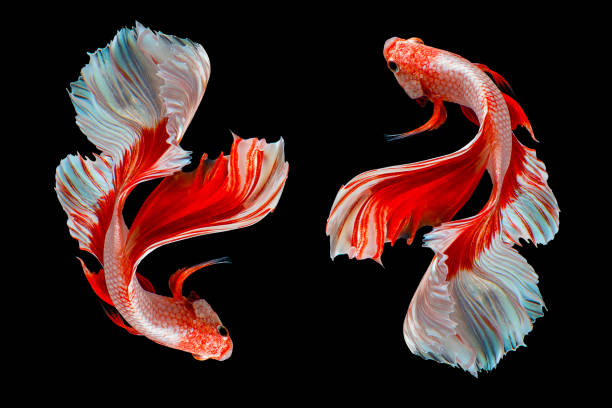
Beautiful movement of two red white betta fish, Fancy Halfmoon Betta, The moving moment beautiful of Siamese Fighting fish, Betta splendens, Rhythmic of Betta fish isolated on black background. Beautiful movement of two red white betta fish, Fancy Halfmoon Betta, The moving moment beautiful of Siamese Fighting fish, Betta splendens, Rhythmic of Betta fish isolated on black background. siamese fighting fish stock pictures, royalty-free photos & images

How to Create an Ideal Environment for Your Betta Fish at Home

Creating the perfect environment for your betta fish is crucial for their health, happiness, and longevity. Betta fish are hardy and adaptable, but they thrive in conditions that mimic their natural habitat. Below is a comprehensive guide on how to design a comfortable and stimulating home for your betta.

Tank Size and Setup

The foundation of a great betta environment starts with the right tank setup. While bettas are often sold in small containers, they require far more space to live comfortably.

  • Tank Size: A minimum of 5 gallons is recommended. Larger tanks provide stability in water parameters and more room for enrichment.
  • Shape: Opt for a rectangular tank rather than round or tall ones. Bettas prefer horizontal swimming space.
  • Lid or Cover: Ensure the tank has a secure lid since bettas are known to jump.

Water Quality

Maintaining pristine water quality is critical for your betta’s well-being. Poor water conditions can lead to stress or diseases.

  • Filtration: Use a gentle filter that doesn’t create strong currents as bettas prefer calm waters.
  • Heater: A heater is essential since bettas thrive in water temperatures ranging from 76°F to 82°F (24°C – 28°C).
  • Water Testing: Monitor ammonia, nitrites, nitrates, and pH levels using an aquarium test kit. Aim for:
  • Ammonia/Nitrite: 0 ppm
  • Nitrate: <20 ppm
  • pH: Between 6.5 and 7.5

Plants and Decorations

Replicating the natural environment of wild bettas goes a long way toward making them feel comfortable.

  • Java moss
  • Anubias
  • Marimo moss balls These plants not only provide hiding spots but also help improve water quality by absorbing toxins.
  • Silk Plants vs Plastic: If live plants aren’t feasible, choose silk plants over plastic ones to avoid damaging your betta’s delicate fins.
  • Caves or tunnels (smooth-edged)
  • Driftwood pieces These structures offer territories your fish can explore.
Decoration Type Benefits
Live plants Natural filtration, oxygenation
Silk plants Safe alternative for aesthetics
Hiding caves Reduces stress

Lighting Considerations

Bettas require consistent day-night cycles to regulate their biological rhythms.

  • Use an aquarium light that mimics natural daylight.
  • Avoid overly bright lights that can stress them out.
  • Set lights on timers to maintain consistency (8–12 hours per day).

Proper Feeding Habits

Healthy feeding practices contribute significantly to creating an ideal living environment.

  • Feed high-quality pellets specifically designed for bettas.
  • Supplement their diet with frozen or live food such as brine shrimp or daphnia once or twice weekly.
  • Avoid overfeeding — only feed what they can consume in two minutes.

Monitoring Behavior and Health

  1. Look out for energetic swimming patterns.
  2. Inspect their fins regularly — torn or clamped fins may indicate stress or poor water conditions.
  3. Watch whether they show interest during feeding times.

By addressing these factors holistically, you cultivate not only an ideal environment but also set the stage for your betta fish’s vibrant personality to shine through every day.


Discover All the Different Types and Varieties When You Buy Betta Fish Online

Siamese fighting fish Fighting fish siamese fighting fish stock pictures, royalty-free photos & images

Betta fish, also known as Siamese fighting fish, are among the most popular freshwater aquarium species globally. Their vibrant colors, flowing fins, and captivating personalities make them a favorite choice for aquarists. Over the years, selective breeding has produced a wide variety of bettas with unique appearances and traits. Below is an exploration of the different types and varieties of betta fish.

Tail Types

  • Veiltail Betta: The most common type found in pet stores. Veiltails are characterized by their long, flowing tails that trail elegantly behind them.
  • Crowntail Betta: Known for their striking spiked fins, crowntails appear as though their fins have been “ripped” or fringed at regular intervals.
  • Halfmoon Betta: A popular variety with a large, 180-degree spread of their caudal (tail) fin resembling a half-circle.
  • Plakat Betta: A shorter-finned variety that closely resembles wild bettas in appearance. They’re known for being hardy and active.
  • Doubletail Betta: These have two distinct lobes in their caudal fin instead of one, giving them a unique and symmetrical appearance.
  • Rosetail Betta: A variation of the halfmoon where excessive branching creates a “ruffled” or “rose-like” appearance in the tail.
  • Deltatail Betta: Named for its triangular shape, this tail type has a wide base but does not reach the 180-degree spread like halfmoons.

Color Variations

Color Type Description
Solid Colors Bettas with one uniform color across their entire body and fins (e.g., red, blue).
Bi-Colored Bettas with contrasting body and fin colors (e.g., blue body with red fins).
Marble Irregular patterns resembling marbling on both body and fins that often change over time.
Butterfly Fins have two distinct colors; typically, one near the base fades into another at the edges.

Scale Types

  • Metallic/Dragon Scale: These scales are thicker and create an iridescent sheen across parts or all of the body.
  • Cellophane Scale: Transparent scales where underlying tissue is visible.

Rare Varieties

  1. Elephant Ear Betta (Dumbo Ear) – Displays oversized pectoral fins that resemble elephant ears.
  2. Koi Betta – Modeled after koi fish patterns; they showcase patches of varied colors like orange, white, black, or yellow.

Wild vs Domestic Bettas

  • Wild species tend to be smaller with less vivid coloration.
  • Most domesticated varieties stem from Betta splendens, while wild relatives include Betta imbellis or Betta smaragdina.

Understanding these classifications helps hobbyists select suitable tank mates or breed specific traits effectively.

How to Identify Male and Female Betta Fish for Sale

Betta fish, also known as Siamese fighting fish, exhibit noticeable differences between males and females. These distinctions are not only physical but also behavioral, making it essential for owners to understand these traits when caring for or breeding bettas. Below is an in-depth look at how male and female betta fish differ.

Physical Differences

  • Males typically have long, flowing fins that are more elaborate and striking.
  • Females have shorter fins that appear less dramatic but are still beautiful in their simplicity.
  • Males tend to have a sleeker, more elongated body shape compared to females.
  • Females often appear slightly rounder or fuller-bodied.
  • Male bettas are known for their vibrant and bold coloration, which they use to attract mates or intimidate rivals.
  • Female bettas usually have duller colors, although some can develop brighter hues during breeding periods.
  • Females display an “egg spot” (ovipositor) between their ventral fins, near the area where eggs are released during spawning. This is absent in males.
Feature Male Betta Fish Female Betta Fish
Fins Long, flowing Shorter
Body Shape Sleek and elongated Fuller or rounder
Coloration Vibrant Duller (can brighten during breeding)
Egg Spot Absent Present

Behavioral Differences

  • Aggression Levels:
    Males are highly territorial and aggressive toward other males due to their instinct to defend territory. They may even attack other males placed in the same tank. While females can show aggression, it is usually far less intense, making them better suited for community tanks or sororities (groups of female bettas).
  • Bubble Nest Building:
    Male bettas create bubble nests on the surface of the water as part of their reproductive behavior. This trait is almost exclusive to males; females rarely participate in nest-building activities.
  • Activity During Breeding:
    During mating rituals, males perform elaborate displays such as flaring fins and colors to attract a female’s attention. After fertilization occurs, they assume responsibility for protecting the bubble nest while guarding eggs until they hatch.

Tips for Identifying Gender

  1. Look at fin length – longer fins typically indicate a male.
  2. Check for the presence of an egg spot beneath the fish.
  3. Observe behavior – frequent flaring or bubble nest building suggests a male.
  4. Assess coloration – if it’s unusually bright with bold patterns, it could be a male.

By understanding these differences between male and female betta fish, owners can make informed decisions about care strategies, tank setups, or breeding approaches tailored specifically to their needs.

Exploring Male and Female Betta Fish at a Betta Fish Online Shop

Betta fish, also known as Siamese fighting fish, are one of the most popular aquarium species due to their vibrant colors and unique personalities. Understanding the differences between male and female bettas is crucial for proper care, breeding practices, and creating a harmonious tank environment. Below, we’ll explore the key distinctions in terms of behavior, physical characteristics, and compatibility.

Physical Differences

  • Size:
    Males tend to be slightly larger than females, typically reaching lengths of about 2.5–3 inches. Females are usually a bit smaller.
  • Fins:
    Males are famous for their long, flowing fins that come in a variety of shapes such as veiltail or crowntail. Females have shorter and less elaborate fins.
  • Body Shape:
    Females generally have a rounder and fuller body shape compared to males. During breeding times, females may display a visible ovipositor (a small white spot near the vent).
  • Coloration:
    Male bettas often exhibit brighter and more vibrant colors to attract mates or intimidate rivals. Females tend to have more subdued or muted coloration but can still display beautiful patterns.
Feature Male Betta Female Betta
Fin Length Long and flowing Shorter and less elaborate
Body Size Larger Smaller
Color Intensity Brighter Subtler
Ovipositor Absent Present (during spawning conditions)

Behavioral Differences

  • Aggression Levels:
    Male bettas are highly territorial, especially toward other males. They will flare their gills, spread their fins, and even attack others when provoked. In contrast, females are less aggressive but can still show territorial behaviors in certain situations.
  • Bubble Nest Building:
    Males are responsible for building bubble nests during mating periods. These nests float on water surfaces and serve as a space for fertilized eggs to develop. Females do not build bubble nests but will release eggs when ready.
  • Males should ideally be kept alone unless participating in controlled breeding.
  • Females can coexist peacefully in groups called “sororities” if introduced properly into an adequately sized tank.

Key Tips for Differentiating Male vs Female Bettas

  1. Look for fin length—males have noticeably longer fins.
  2. Observe behavior—aggressive displays like flaring commonly indicate a male.
  3. Check body shape—females often appear rounder with visible signs like an ovipositor during spawning readiness.
  4. Assess coloration—although not always definitive, males generally show more vivid hues.

The Importance of Gender Identification

  • Keeping multiple males together leads to territorial disputes that can result in injuries or stress.
  • Proper identification helps ensure compatibility when forming a community tank or setting up a sorority of females.
  • For breeders, understanding the roles each gender plays during reproduction allows for successful mating practices.

By carefully observing these differences between male and female bettas, you can provide better care tailored to their distinct needs while ensuring your aquarium remains peaceful and thriving.

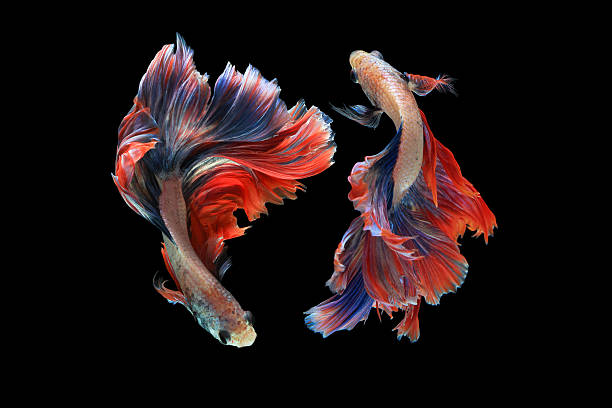
Dual betta fish isolated on black background. Dual betta fish isolated on black background. ( Mascot double tail ) Ballerina betta fish. siamese fighting fish stock pictures, royalty-free photos & images

Discover Where to Buy Betta Fish for Sale: Halfmoon, Crowntail, and Plakat Varieties

Betta fish (Betta splendens) are renowned for their vibrant colors and diverse fin shapes. Among the most popular and striking varieties are the Halfmoon, Crowntail, and Plakat bettas. Each type has unique characteristics that distinguish it from the others. Below is an in-depth look at these fascinating fish.

Halfmoon Bettas

Halfmoon bettas are admired for their elegant fins that form a 180-degree spread when fully flared. Their name originates from the semicircular shape of their tail, resembling a half-moon.

Key Traits of Halfmoon Bettas:
Tail Shape: Large, rounded tail spanning 180 degrees when flared.
Behavior: Known to be slightly more delicate due to their larger fins, which may make them prone to tearing in rough tank environments.
Colors: Available in a wide range of hues, including solid colors like red or blue as well as intricate patterns such as marble or butterfly.

Care Tips for Halfmoons:
– Provide a calm tank environment with minimal water flow to prevent damage to their fins. – Use soft plants such as Java moss or silk plants instead of rough decorations. – Regularly monitor water quality since they can be sensitive to poor conditions.

Crowntail Bettas

Crowntails are instantly recognizable by their unique fin structure, which features extended rays that give the appearance of a spiky crown. This distinctive trait makes them one of the most sought-after types among betta enthusiasts.

Key Traits of Crowntail Bettas:
Fin Shape: Fins resemble spikes due to elongated rays with reduced webbing between them.
Durability: Despite their dramatic appearance, they tend to be slightly hardier than some other long-finned varieties like Halfmoons. – Colors & Patterns: Found in various color combinations including iridescent shades and multicolored patterns.

Care Tips for Crowntails:
– Avoid sharp objects in the tank that could snag their delicate fins. – Choose water parameters suited for bettas: temperature around 78–80°F and a neutral pH (6.5–7.5).

Trait Halfmoon Crowntail
Tail Shape Rounded semicircle Spiky crown-like
Delicacy Level More delicate Hardier

Plakat Bettas

Plakats are a short-finned variety of betta that closely resembles wild forms found in Southeast Asia. These fish are prized not only for their robust health but also for showcasing bold coloration with less elaborate finnage compared to other types.

Key Traits of Plakat Bettas:Fin Shape: Shorter fins give them a sleek and agile appearance. – Temperament: Often more active swimmers due to reduced drag from shorter fins. – Colors & Patterns: Plakats have been bred into stunning varieties featuring metallic scales, solid colors, and intricate patterning such as koi or dragon scales.

Why Choose Plakats? 1. Less prone to fin damage since they lack long flowing tails. 2. Easier maintenance because shorter fins reduce stress associated with swimming in stronger water flows. 3. A great option for beginners who want an energetic yet low-maintenance betta variety.

Summary Table Comparing Traits

Type Tail/Fins Behavior/Activity Care Considerations
Halfmoon Long; rounded tail span (180°) Moderate activity Delicate fins; calm tank required
Crowntail Spiky crown-like rays Moderate activity Avoid sharp objects
Plakat Shorter; streamlined Highly active Robust health; versatile care

Each type—Halfmoon, Crowntail, and Plakat—brings something special to aquariums around the world. Whether you’re drawn by the dramatic beauty of a Halfmoon’s flowing fins or prefer the practicality and boldness of a Plakat’s short finnage, these varieties showcase just how diverse betta fish can be while requiring tailored care practices based on their unique traits.

The Fascinating World of Doubletail, Veiltail, and Elephant Ear Bettas

Betta fish, scientifically known as Betta splendens, are celebrated for their vibrant colors and strikingly diverse fin types. Among the many varieties, the doubletail, veiltail, and elephant ear bettas stand out for their unique physical traits and characteristics. These types captivate hobbyists with their elegant appearance and distinct behaviors. Understanding these varieties helps enthusiasts choose the right betta for their aquarium.

Doubletail Betta

Doubletail bettas are easily recognizable due to their split tail fin. Unlike other bettas that have a singular tail fin, this variety boasts two separate lobes that give the illusion of a “double” tail. This feature is caused by a genetic mutation.

  • Two symmetrical lobes in the caudal (tail) fin.
  • A broader dorsal (top) fin compared to other betta varieties.
  • Often smaller bodies due to genetic influences.
  • Stunning and unique appearance.
  • Great choice for experienced aquarists seeking showy fish.
  • More prone to health issues such as spinal deformities or swim bladder problems.
  • Require careful monitoring to ensure water quality and overall health.
Trait Description
Tail Type Two distinct lobes
Dorsal Fin Size Broader than other variations
Health Concerns Higher susceptibility to issues

Veiltail Betta

The veiltail is one of the most popular and widely recognized types of bettas in the pet trade. Known for its long, flowing fins that trail gracefully behind it as it swims, this variety is often considered a classic choice for beginners.

  • Long, asymmetrical tail that tapers into a point.
  • Commonly available in a wide range of colors.
  • Readily available in most pet stores.
  • Affordable and beginner-friendly.
  • The long fins are prone to damage from sharp objects or aggressive tank mates.
Trait Description
Tail Type Long and flowing
Availability Most common type
Maintenance Requires careful tank setup

Elephant Ear Betta

Elephant ear bettas, also referred to as dumbo ear bettas, are named after their oversized pectoral fins that resemble an elephant’s ears. This variety is highly prized by aquarium enthusiasts for its dramatic appearance.

  • Large pectoral fins extending outward like wings.
  • Often paired with vibrant coloration across the body and fins.
  • Visually stunning with unique movement patterns.
  • A great choice for those seeking an exotic-looking fish.
  • The larger fins may hinder swimming ability in certain cases.
Trait Description
Pectoral Fins Oversized “wing-like” shape
Movement Patterns Slower swimmer

Siamese fighting fish Macro shot of a male, half-moon siamese fighting fish (betta splendens) with an aquarium background. siamese fighting fish stock pictures, royalty-free photos & images

Choosing Between These Varieties

When deciding between doubletail, veiltail, or elephant ear bettas, consider factors such as your aquarium setup, maintenance capability, and aesthetic preferences. Each type has its own set of care requirements but offers beauty and charm unmatched by most freshwater species. Providing them with proper care ensures they thrive while enhancing the visual appeal of your tank space.

Discovering Rare Varieties Like Alien Betta Fish

Betta fish, also known as Siamese fighting fish, are celebrated for their stunning colors and diverse forms. Among the many varieties, rare types like the Alien Betta Fish captivate enthusiasts with their unique appearance and fascinating traits. Let’s dive into what makes these rare bettas so extraordinary.

What Are Alien Betta Fish?

Alien Bettas are a hybrid variety, created by breeding wild bettas—primarily Betta imbellis and Betta smaragdina—with domesticated species of Betta splendens. The result is a visually striking fish with an iridescent, metallic sheen and intricate patterns that set them apart from other bettas.

Key traits of Alien Bettas include: – Metallic coloring: A shimmering appearance reminiscent of an “alien-like” quality. – Complex patterns: Irregular lines or spots resembling the textures found in nature. – Unique fin structure: Though they share some similarities to standard bettas, their fins can vary due to hybridization.

Types of Alien Bettas

Type Description
Blue Alien Features deep blue or turquoise metallic hues with dark or contrasting patterns.
Green Alien Boasts vibrant green tones with shimmering scales that appear iridescent under light.
Copper Alien Exhibits a coppery or bronze metallic sheen across its body for an earthy yet dazzling look.

These variations add to the appeal of Alien Bettas among collectors who seek out exotic specimens.

Why Are They Considered Rare?

Alien Bettas are rarer than traditional Betta splendens due to: 1. Complex breeding requirements: Producing hybrids necessitates careful pairing between wild species and domesticated strains. 2. Limited availability: These fish are often bred by specialized breeders in small numbers. 3. Distinctive genetics: Their unique lineage makes them genetically different from most commercially available bettas.

Because of these factors, acquiring an authentic Alien Betta often requires sourcing from reputable breeders or specialty stores.

Care Requirements for Alien Bettas

  • Tank size: A minimum of 5 gallons is recommended to provide ample swimming space.
  • Temperature: Maintain between 75°F–80°F (24°C–27°C).
  • pH level: Keep water slightly acidic to neutral (pH 6.5–7).
  • Filtration: Use gentle filters since aggressive currents can stress them.
  • Offer a balanced diet of high-quality pellets as well as live or frozen foods like daphnia and brine shrimp.

Additionally, because some alien hybrids retain characteristics of their wild ancestors (such as increased aggression or sensitivity), it’s essential to monitor tank dynamics closely if housing with other fish.

Exploring rare varieties like the Alien Betta opens up another world within the already captivating hobby of keeping bettas. With proper care and attention, these mesmerizing creatures can thrive while adding unparalleled beauty to any aquarium setting.

A Comprehensive Guide to Betta Splendens Characteristics and Forms

Betta splendens, commonly referred to as Siamese fighting fish, are among the most popular freshwater aquarium species due to their vibrant colors, striking fin shapes, and captivating behavior. Understanding the physical characteristics and forms of bettas is essential for both beginner and experienced aquarists. This guide delves into the key traits and structures that define Betta splendens.

Physical Characteristics

  1. Body Shape
    Betta splendens have a slender, elongated body designed for efficient swimming. Their bodies are laterally compressed, which helps them navigate through plants and tight spaces in their natural habitat.
  2. Male Bettas: Typically grow between 2.5 to 3 inches in length.
  3. Female Bettas: Slightly smaller on average, ranging from 2 to 2.5 inches.
  4. Wild Bettas: Tend to be smaller than their domesticated counterparts.
  5. Coloration
    Modern breeding practices have resulted in a vast array of colors:
  6. Solid colors (e.g., red, blue, white).
  7. Multicolored varieties with iridescence or marbled patterns.
  8. Metallic hues achieved through selective breeding of wild varieties.

Fin Types

Fin Type Description Unique Trait
Veiltail Long, flowing fins that trail behind the body Most common among beginner aquarists
Crowntail Characterized by spiky rays extending beyond the webbing Gives the appearance of a crown
Halfmoon Fins spread out into a full 180-degree semicircle when flared Popular show variety
Plakat Shorter fins resembling those found in wild bettas Strong swimmers with a more natural look
Doubletail Two distinct tail lobes instead of one Often paired with symmetrical body structure

Behaviors and Adaptations

  1. Labyrinth Organ
    One defining characteristic of Betta splendens is their labyrinth organ, which allows them to breathe atmospheric air directly from the surface. This adaptation is critical for survival in low-oxygen environments such as rice paddies or shallow water.
  2. Territorial Nature
    Male bettas are highly territorial and will aggressively defend their space against other males or similarly colored fish. This behavior stems from their origins in Southeast Asia’s competitive aquatic ecosystems.
  3. Bubble Nesting
    Male bettas construct bubble nests at the water’s surface during breeding periods. They guard these nests vigilantly as part of their reproductive behavior.

Variations in Form

Over years of selective breeding, enthusiasts have cultivated numerous genetic traits leading to differences not just in color but also form: – Dumbo (Elephant Ear) Bettas: Enlarged pectoral fins give an appearance reminiscent of elephant ears. – Koi Bettas: Modeled after koi fish patterns with vibrant blotches on translucent bodies. – Alien Bettas: Rare hybrids displaying unique metallic sheen paired with elongated features resembling wild ancestors.

Understanding these diverse traits enhances an aquarist’s ability to care for their fish while appreciating the artistry behind Betta splendens’ evolution into one of the most distinctive aquarium species available today.


Best Tank Size Guide for Betta Fish for Sale

Close-up of Siamese Fighting Fish Betta Splendens fish also called Siamese Fighting fish siamese fighting fish stock pictures, royalty-free photos & images

Choosing the right tank size for your male Siamese fighting fish, also known as Betta splendens, is critical to ensuring their overall health and happiness. While Bettas are often marketed as low-maintenance pets suited for small bowls or containers, this misconception can lead to inadequate care and shortened lifespans. Proper housing plays a vital role in keeping them healthy.

Ideal Tank Size for Male Betta Splendens

The minimum recommended tank size for a single male Betta is 5 gallons. This provides adequate space for them to swim naturally and reduces stress. Smaller tanks often lead to poor water quality and limited swimming space, which can negatively affect the fish’s health.

Here’s why a 5-gallon tank (or larger) is ideal:
Water stability: Larger tanks maintain water parameters more consistently, reducing harmful fluctuations in temperature, ammonia levels, or pH.
Swimming space: Bettas are active swimmers despite their reputation as sedentary fish; they thrive when given ample room to explore. – Easier maintenance: Larger tanks reduce waste concentration and require less frequent water changes compared to smaller setups.

Comparing Different Tank Sizes

Tank Size Suitability Maintenance Effort Notes
Less than 1 gallon Not recommended High Poor water quality; stressful for Bettas
2–3 gallons Bare minimum but not ideal Moderate Frequent water changes required
5 gallons Optimal choice Low Balanced environment
10+ gallons Excellent Low Additional room for plants/decorations

Why Small Tanks Are Problematic

Small tanks or bowls result in several issues that can harm your Betta: – Waste accumulation: In smaller volumes of water, toxins like ammonia and nitrite build up quickly. – Temperature instability: Smaller bodies of water are more prone to rapid temperature changes, causing stress. – Limited enrichment options: Tiny tanks leave little room for plants, hiding spots, or other forms of stimulation.

Additional Factors to Consider When Choosing a Tank

While size is crucial, there are other factors you should take into account: – Tank shape: Rectangular tanks provide better surface area than tall ones, which ensures proper oxygen exchange. – Filtration system: A gentle filter suitable for low-flow environments helps maintain cleanliness without disturbing your Betta. – Heater compatibility: Bettas thrive in warm waters (76–82°F), so ensure the tank can accommodate an adjustable heater.

By selecting an appropriately sized tank with proper equipment and care practices in place, you’ll provide your male Siamese fighting fish with an environment that promotes health, longevity, and natural behavior patterns.

Exploring Male Siamese Fighting Fish: Insights from a Betta Fish Online Shop

Male Siamese fighting fish, commonly known as Betta splendens, are among the most fascinating freshwater fish due to their vivid colors and complex behaviors. Originally native to Southeast Asia, particularly in countries like Thailand and Cambodia, these fish have been bred for generations to enhance their striking appearance and territorial tendencies. To properly care for these remarkable creatures, it’s essential to understand their unique traits and behavioral patterns.

Physical Characteristics

Male bettas are well-known for their:
Brilliant Coloration: They come in a variety of hues including red, blue, green, purple, and even multi-colored varieties such as marble or koi patterns.
Flowing Fins: Unlike females, males typically display long flowing fins that make them appear majestic but can also make them more prone to injury or disease.
Labyrinth Organ: Bettas have a labyrinth organ that allows them to breathe atmospheric air in addition to using their gills. This adaptation enables them to survive in low-oxygen environments such as shallow rice paddies or stagnant waters.

Trait Description
Coloration Bright hues including red, blue, green, purple
Fins Long-flowing fins prone to damage
Labyrinth Organ Specialized organ allowing them to breathe surface air

Territorial Behavior

Male Siamese fighting fish are highly territorial by nature. They were historically bred for aggression during traditional “fish fights,” which explains why they often cannot coexist with other male bettas in confined spaces. Key aspects of their territorial behavior include:
1. Flaring: Males will spread out their fins and gill covers when encountering perceived threats or rivals. This is both a defensive display and a way of asserting dominance.
2. Bubble Nest Building: Male bettas instinctively construct bubble nests at the water’s surface as part of their breeding behavior. These nests serve as nurseries for fertilized eggs and showcase the male’s readiness for reproduction. 3. Defensive Responses: If another male is introduced into its territory (or even its reflection), it may exhibit aggressive behaviors such as chasing or biting.

Social Interaction

While males are best housed alone due to their aggressive tendencies toward one another, they can occasionally share space with specific tank mates under careful supervision. When considering tank companions for a male betta: – Avoid other brightly colored or finned species like guppies that may resemble rival males. – Consider peaceful species like small corydoras catfish or kuhli loaches that dwell at different levels of the tank. – Always ensure ample hiding spots to reduce stress for all inhabitants.

Suitable Tank Mates Unsuitable Tank Mates
Corydoras catfish Guppies
Kuhli loaches Other male bettas
Mystery snails Tiger barbs

Unique Feeding Habits

Betta splendens are carnivorous by nature and require high-quality protein-based diets: – Offer specialized betta pellets or flakes formulated with high protein content. – Supplement with live or frozen treats like bloodworms or brine shrimp 2–3 times weekly. – Avoid overfeeding; provide only what they can consume within 2 minutes per feeding session.

Understanding the unique characteristics and behaviors of male Siamese fighting fish is vital for providing a healthy environment where they can thrive both physically and mentally. Recognizing their physical traits, territorial instincts, social needs, and dietary habits ensures these stunning aquatic creatures live fulfilling lives under your care.

How to Buy Betta Fish Online and Create the Perfect Habitat for Them

Creating the perfect habitat for your male Betta fish is essential to ensure its health, well-being, and longevity. Male Siamese fighting fish (Betta splendens) are known for their vibrant colors and unique personalities, but they require a carefully maintained environment to thrive. Below is a guide on crafting an ideal habitat tailored to meet their needs.

Choosing the Right Tank Size When You Buy Betta Fish for Sale

The first step in creating an ideal habitat is selecting an appropriate tank size. While Bettas are often associated with traditionally small bowls or tanks, these conditions are far from optimal.

  • Minimum tank size: 5 gallons
  • Recommended tank size: 10 gallons or larger for enhanced swimming space
    Smaller containers can lead to stress, poor water quality, and limited activity space. A larger tank not only benefits your Betta but also allows for more stable water conditions.
Tank Size Benefits
5 gallons Meets basic requirements
10+ gallons Provides ample room for exploration

Water Quality Essentials

Maintaining proper water quality in your Betta’s habitat is crucial. Bettas originate from shallow, slow-moving waters in Southeast Asia but still require clean and stable conditions.

  • Water temperature: Maintain between 76°F and 82°F using a reliable aquarium heater.
  • pH level: Aim for a neutral range of 6.5 to 7.5.
  • Filtration: Use a gentle filter to avoid strong currents that may stress your Betta.
  • Perform frequent partial water changes (approximately 20–25% weekly) to ensure optimal conditions.

Substrate Selection

  • Gravel or sand substrates work well.
  • Avoid sharp or jagged substrate materials that could damage delicate fins.

Plants and Decorations

Bettas thrive in environments that replicate their natural habitats with plenty of hiding spots and plants.

  1. Java Fern
  2. Anubias
  3. Amazon Sword
  4. Include decorations like caves or hollow structures where Bettas can rest or hide.
  5. Avoid sharp-edged decorations that may tear fins.

Lighting Considerations

Lighting should be moderate; excessive light can stress your Betta while too little may affect plant growth if live plants are present. Use an aquarium light with adjustable settings so you can maintain day-night cycles similar to natural light patterns.

Avoid Overcrowding

Male Bettas are territorial by nature and should not be housed with other aggressive fish or other male Bettas. Suitable tankmates include peaceful community fish like certain tetras, snails, or shrimp (depending on their compatibility). Always research specific tankmate behavior before introducing them into the habitat.

By carefully considering these elements when designing your tank setup, you will provide an environment where your male Betta fish can display its full spectrum of beauty and personality while staying healthy over time.

Betta Fish Half moon Betta Fish Half moon siamese fighting fish stock pictures, royalty-free photos & images

How to Create the Perfect Habitat for Your Male Betta Fish

Creating the ideal habitat for your male Betta fish (Betta splendens) is essential to its health, longevity, and overall well-being. Male Bettas are known for their vibrant colors and flowing fins, but they are also territorial and require specific environmental conditions to thrive. Below is a detailed guide on how to design a habitat that meets their unique needs.

Tank Size and Shape

The first step in creating the perfect habitat is selecting an appropriate tank. While Bettas are often sold in small bowls or containers, these environments are inadequate for their health.

  • Minimum Tank Size: A 5-gallon tank is recommended as the minimum size for a single male Betta. Smaller tanks can lead to stress, poor water quality, and restricted swimming space.
  • Optimal Tank Shape: A rectangular tank works best since it provides more swimming area compared to tall or round tanks.
Tank Size (Gallons) Suitable for Male Betta? Benefits
Under 2 Gallons No Insufficient space; water quality deteriorates quickly
5 Gallons Yes Provides adequate room and stable water parameters
10 Gallons Yes Ideal option; allows for plants and decorations

Water Parameters

Maintaining stable water conditions is critical for your Betta’s well-being.

  • Temperature: Betta fish are tropical species that require warm water between 76°F (24°C) and 82°F (28°C). Use an aquarium heater to maintain consistent temperatures.
  • pH Level: Keep the pH between 6.5 and 7.5, as slightly acidic to neutral water mimics their natural environment.
  • Filtration: Choose a gentle filter system. Bettas dislike strong currents due to their delicate fins.

Substrate Selection

A soft substrate mimics the natural riverbeds of Southeast Asia where Bettas originate. Gravel or fine sand works well, but avoid sharp-edged materials that could damage their fins.

Aquatic Plants and Decorations

Adding plants and decorations not only enhances the aesthetic appeal of the tank but also provides hiding spots and reduces stress.

  • Java Fern
  • Anubias
  • Marimo Moss Balls
  • Silk Plants: If live plants aren’t an option, opt for silk ones instead of plastic, which can tear fins.
  • Hiding Places: Include caves or driftwood so your Betta can retreat when feeling overwhelmed.

Lighting Considerations

Bettas prefer moderate lighting that resembles dawn or dusk in their natural environment. Avoid harsh lighting as it may cause stress over time.

Regular Maintenance

To keep your male Betta healthy in his habitat:
1. Perform weekly partial water changes (20–30%).
2. Test water parameters regularly using a test kit. 3. Clean algae buildup on tank walls without using harsh chemicals.

By carefully tailoring each aspect of your male Betta’s habitat based on these recommendations, you create an environment where he will not only survive but thrive—showing off his vivid colors while exhibiting natural behaviors like exploring, flaring, or building bubble nests.

The Importance of Choosing the Right Tank Setup for Your Betta Splendens

Creating the ideal tank setup for your Betta splendens, or male Siamese fighting fish, is crucial to their overall health, well-being, and longevity. These vibrant, territorial fish thrive in specific environments that mimic their natural habitats. A poorly set up tank can lead to stress, illness, and behavioral issues. Below is a guide to understanding why your tank setup matters and how to customize it for your Betta’s needs.

Why the Right Tank Setup Matters

  • Reduce stress levels in your Betta.
  • Promote natural behaviors like bubble nesting.
  • Prevent common illnesses caused by poor water quality or unsuitable environments.
  • Enhance their vivid coloration and overall vitality.

Key Elements of an Ideal Tank Setup

  1. Recommended minimum: 5 gallons per fish (despite their ability to survive in smaller containers temporarily).
  2. Larger tanks (10+ gallons) allow for enhanced water stability and more swimming space.
  3. Temperature: Maintain between 76°F – 82°F (24°C – 28°C).
  4. pH Levels: Slightly acidic to neutral (1.1 – 1.1).
  5. Filtration: Install a gentle filter as strong currents may stress Bettas.
  6. Fine gravel or sand is ideal; avoid sharp materials that could tear fins.
  7. Include live plants like Java Fern or Anubias for oxygenation and hiding spots.
  8. Use smooth decorations without sharp edges; caves can provide additional shelter.
  9. Provide moderate lighting with a regular day-night cycle (8-12 hours of light).

Suggested Tank Setup Checklist

Component Recommendation Notes
Minimum Tank Size 5 gallons or more Avoid bowls; opt for rectangular tanks
Water Heater Submersible heater Essential for maintaining consistency
Filter Low-flow sponge or internal filter Prevents agitation of water surface
Plants Live plants (Java Moss) Artificial plants must be soft
Substrate Fine gravel or sand Avoid sharp-edged materials
Decorations Smooth caves/structures Provides hiding spots

Common Mistakes When Setting Up a Betta Tank

  • Using bowl-sized tanks: These restrict movement and cause rapid changes in water parameters.
  • Overcrowding: Male Bettas are highly territorial; avoid housing them with other males or fin-nipping tank mates.
  • Ignoring filtration: Poor water quality leads to a higher risk of ammonia spikes and diseases like fin rot.
  • Excessive decor: Cluttered setups reduce swim space and may increase stress.

By understanding the importance of proper tank setup and addressing these factors carefully, you create an environment where your Betta splendens can flourish both physically and behaviorally.

A Comprehensive Guide to Caring for Male Siamese Fighting Fish in Aquariums

Caring for male Siamese fighting fish (Betta splendens) requires a combination of understanding their unique needs, providing a suitable environment, and establishing proper care routines. Betta fish are resilient, vibrant creatures known for their captivating colors and personalities, but they thrive best when given appropriate attention and care.

Feeding Your Betta Splendens

  • Pellets formulated for Bettas: These are specially designed to meet the nutritional needs of bettas. Ensure they are high-quality and protein-rich.
  • Freeze-dried or frozen food: Products like bloodworms, daphnia, or brine shrimp are excellent sources of protein.
  • Live food (optional): If feasible, live food such as mosquito larvae or brine shrimp can be used occasionally to stimulate your betta’s hunting instincts.
  • Vegetables (in moderation): While not a staple part of their diet, boiled peas (with skin removed) can help aid digestion.

Feeding tips:
1. Feed your male betta small portions 1–2 times per day.
2. Avoid overfeeding; only give what he can eat in 2 minutes to prevent water contamination. 3. Introduce variety in the diet to ensure all nutritional needs are met.

Water Quality Requirements

Water quality is one of the most critical aspects of caring for male Siamese fighting fish. Poor water conditions lead to stress and health problems such as fin rot or swim bladder disease.

Parameter Ideal Range
Temperature 76°F – 81°F (24°C – 27°C)
pH Level 6.5 – 7.5
Ammonia/Nitrite/Nitrate Levels Close to 0 ppm

Key practices include:
– Performing regular partial water changes (20–30% weekly).
– Using a water conditioner to neutralize chlorine and heavy metals in tap water before adding it to the tank. – Installing a gentle filter suitable for smaller tanks to maintain clear water while minimizing strong currents.

Maintaining Social Harmony

  • Corydoras catfish
  • Small rasboras
  • Kuhli loaches
  • Mystery snails

It’s important to monitor interactions closely when introducing new tankmates.

Routine Care Checklist

  1. Check tank temperature and pH daily.
  2. Inspect your fish’s behavior and physical condition (e.g., fins, scales).
  3. Clean uneaten food within an hour after feeding.
  4. Replace filter media according to the manufacturer’s guidelines.

When you provide consistent care tailored around their behavioral instincts and environmental needs, male Siamese fighting fish will reward you with vibrant colors and captivating movements that enhance any aquarium setup.